opik
worthwhileA full-stack observability, evaluation, and optimization platform for LLM apps that goes beyond what a base agent can glue together ad hoc — worth the

What it is
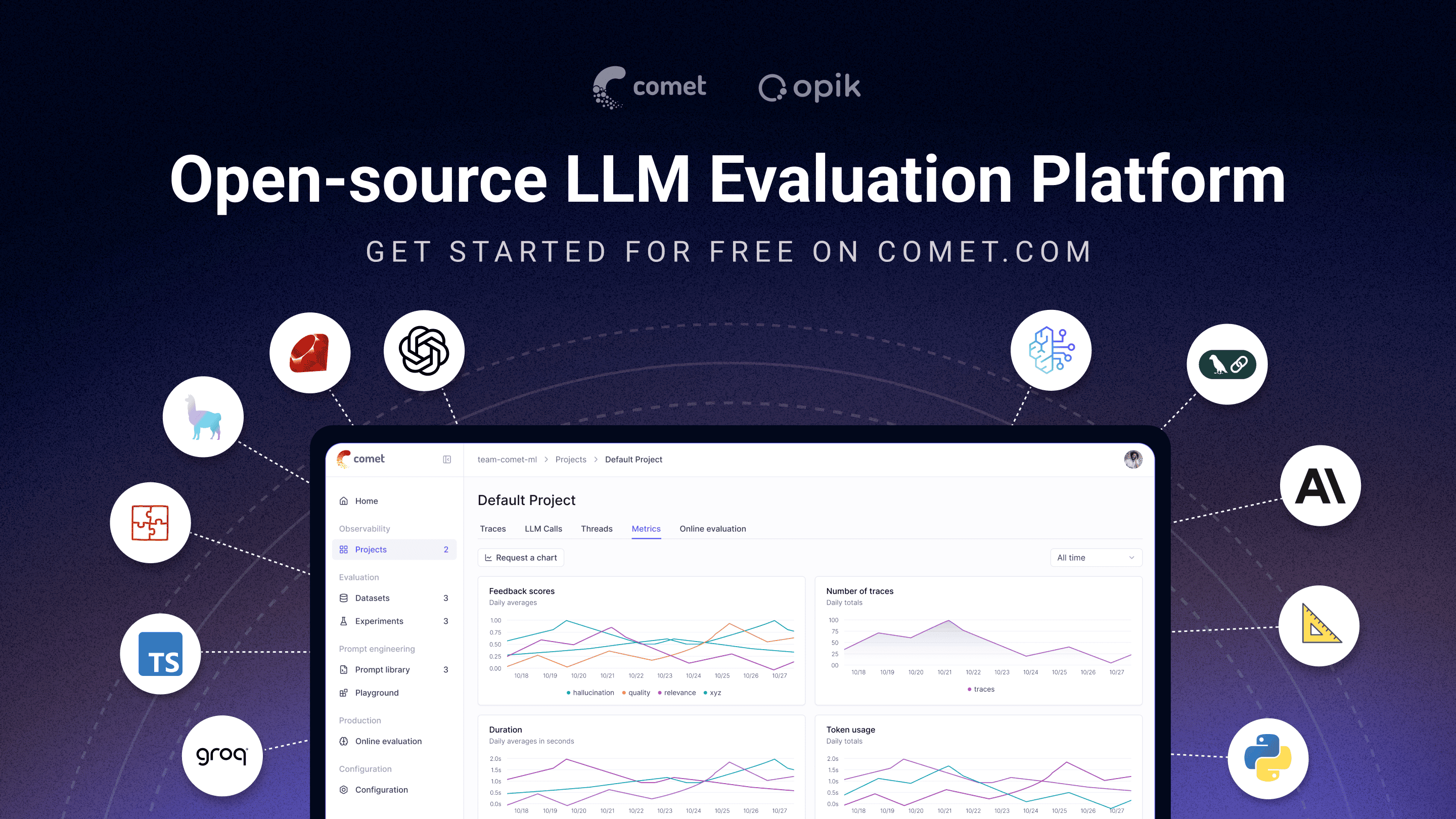
An open-source platform for tracing, evaluating, and monitoring LLM applications throughout the development and production lifecycle — includes SDKs, a server (self-host or cloud), dashboard, LLM-as-a-judge metrics, prompt playground, guardrails, and an agent optimizer.
How it differs from vanilla Claude
A vanilla base agent (Claude) can trace individual calls with basic logging and run ad hoc evaluations with a few prompts, but cannot persistently store and query traces at scale, run automated evaluation rules in production, or provide a centralized dashboard for team collaboration — Opik provides a structured, persistent infrastructure for these tasks.
Skill, plugin, or workflow shift?
Standalone application — it's a full backend service (Docker/K8s) with a UI and client SDKs that fundamentally changes how you build, test, and monitor LLM apps. Not a plugin or skill; it requires adopting a new platform.
Devil's advocate — is this just complexity?
For a solo developer or small prototype, a vanilla Claude can do 80% of what Opik offers with a few lines of Python logging and a manual eval script. The complexity of spinning up Docker Compose, learning the SDK, and maintaining a server is overkill if you're not at production scale with a team. Many teams get by with simpler tools like LangFuse or even just logging to a file — Opik's breadth can feel like a solution in search of a problem until you hit real volume and need automated monitoring.
What would make it better
Reduce the self-host footprint to a single binary or SQLite-backed server for local dev (no Docker required). Provide a 'lite' mode that works without the full server for quick evaluates. Ship first-class CI/CD integration examples (GitHub Actions YAML) out of the box rather than just PyTest reference.
The honest case for it
If you're running multiple LLM-powered features in production with a team, Opik's combination of tracing, automated evaluation, and monitoring in one platform reduces the need to stitch together disparate tools. The self-host option is a strong advantage for regulated environments. The recent agent optimizer and guardrails features are genuinely novel additions not all competitors offer.
Who it's for
Audience fit
Depth and leverage for a technical engineer who wants to understand it and level up their workflow — not just offload work.
Value for someone who wants a more capable tool without the technical depth — accessible, does-it-for-you.
Provides deep tracing, evaluation, and production monitoring for LLM apps — essential for engineers building at scale, but heavy setup and infrastructure demands for vibe coders.