LightRAG
worthwhileA graph-based RAG system that outperforms vanilla agent context stuffing for complex retrieval tasks.


What it is
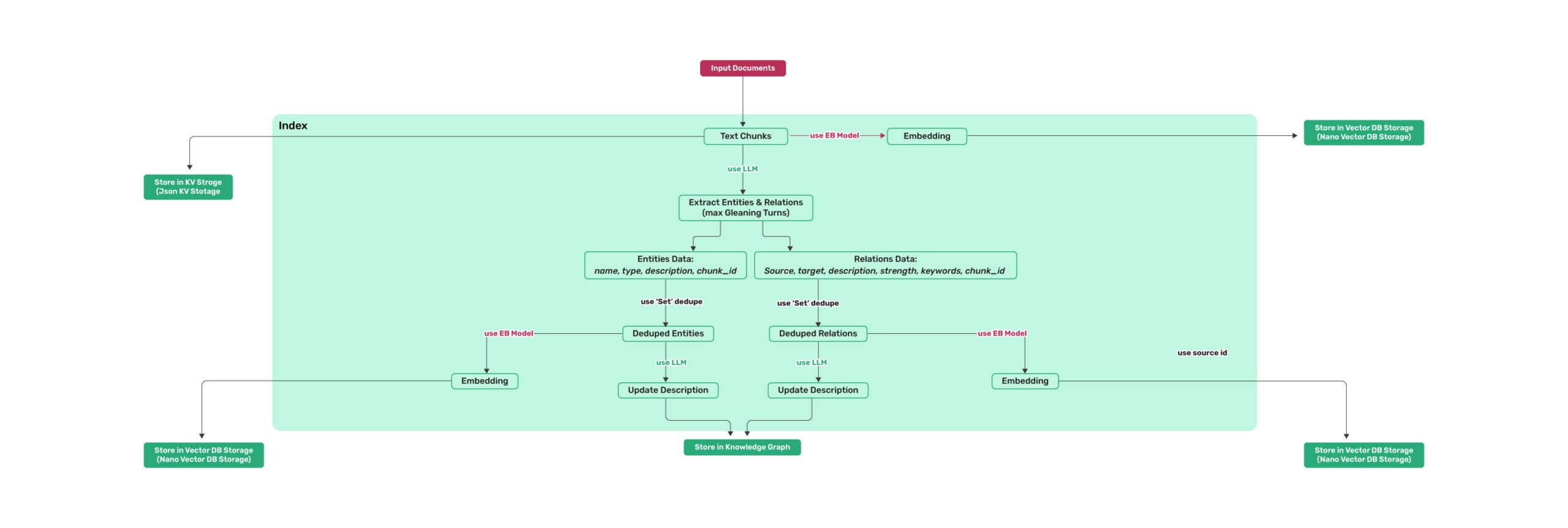
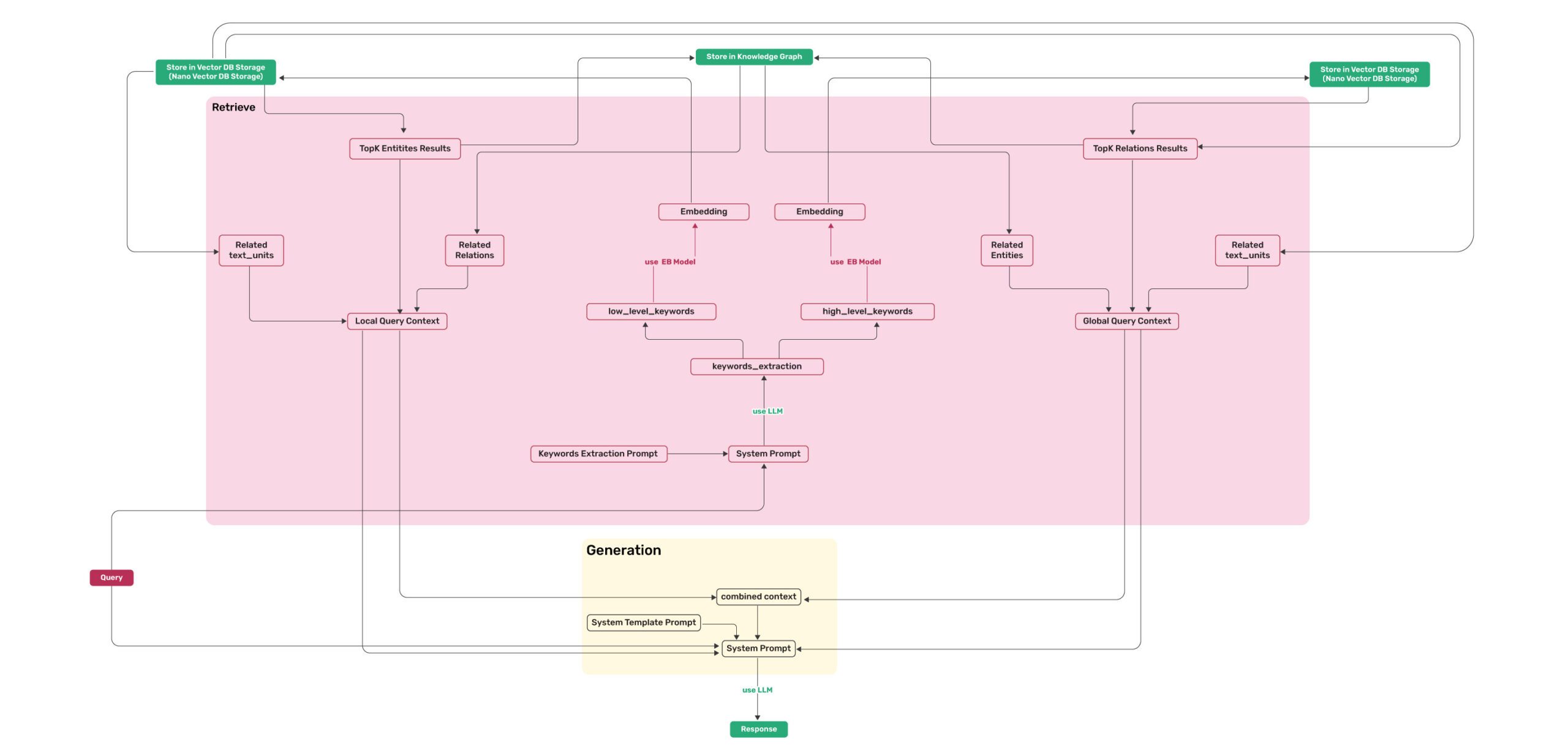
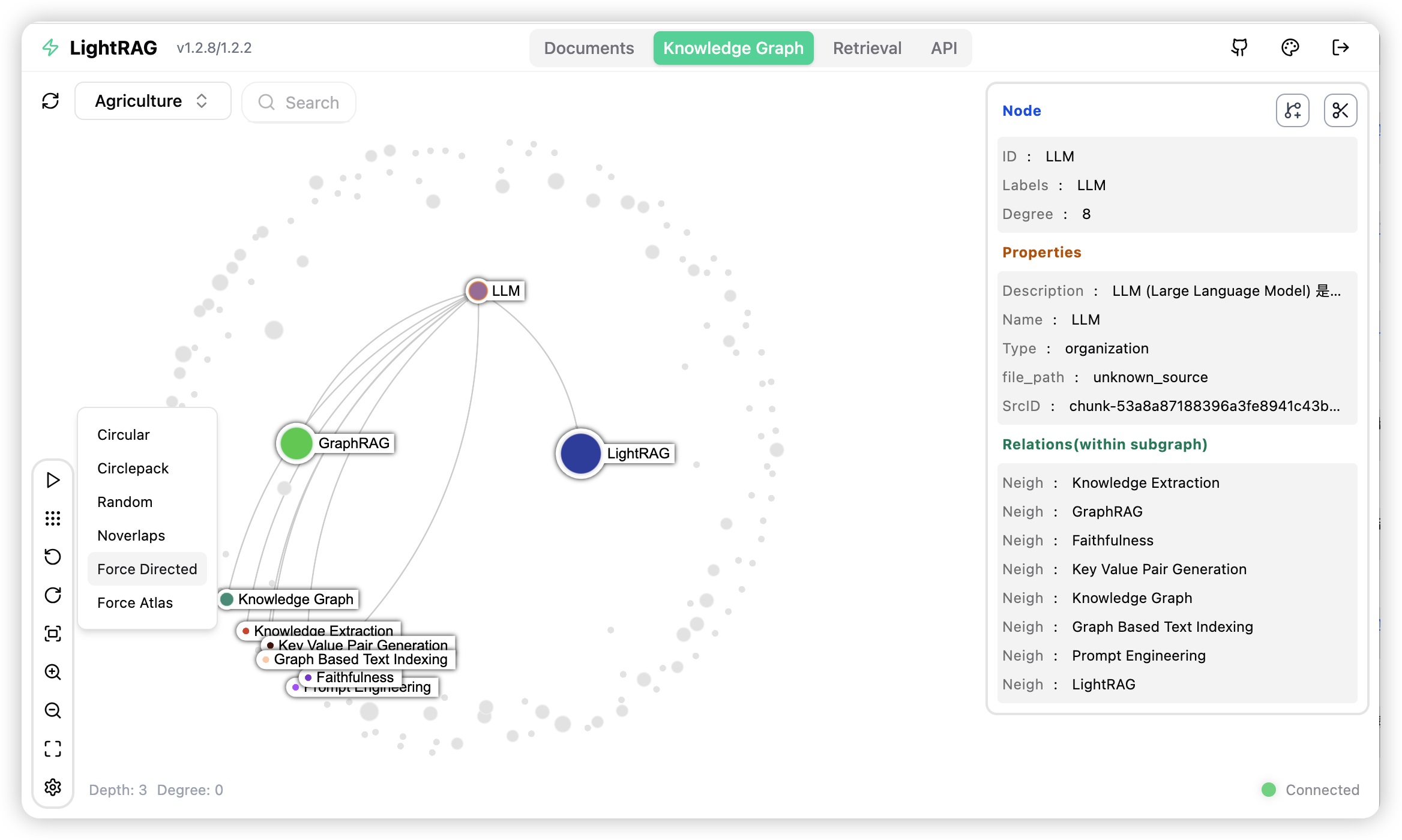
LightRAG is a Python library for retrieval-augmented generation that builds a knowledge graph from documents and uses dual-level retrieval (low-level and high-level) to improve answer quality.
How it differs from vanilla Claude
Vanilla Claude can perform RAG by including context in the prompt, but it lacks automated indexing, graph-based understanding, and efficient retrieval over large corpora. LightRAG provides a structured pipeline that preprocesses and indexes documents to enable more accurate and context-aware responses.
Skill, plugin, or workflow shift?
integration: library. It is a reusable Python library that can be imported and used within applications, or run as an API server. It requires significant setup but offers deep customization.
Devil's advocate — is this just complexity?
A vanilla capable agent like Claude has a large context window and can handle many documents directly. For small-scale tasks, you don't need a separate RAG system. LightRAG adds complexity: you need to set up embedding models, vector databases, knowledge graph extraction, etc. The overhead might not be justified for simple use cases. Moreover, the claim of 'simple and fast' is relative; the setup is not trivial. The project might be over-engineered for what it does.
What would make it better
Simplified zero-configuration setup (e.g., auto-downloading default models), better documentation with end-to-end examples for common use cases, and first-class integration with popular frameworks like LangChain or LlamaIndex. Also, reducing the dependency footprint by supporting more lightweight storage backends.
The honest case for it
When you need to scale RAG to large document collections with complex relationships, LightRAG’s graph-based approach provides retrieval quality that vanilla context stuffing cannot match. It is well-engineered, actively maintained, and has a growing community. For serious RAG applications, it's a strong choice that saves months of custom development.
Who it's for
Audience fit
Depth and leverage for a technical engineer who wants to understand it and level up their workflow — not just offload work.
Value for someone who wants a more capable tool without the technical depth — accessible, does-it-for-you.
Requires understanding of RAG pipelines, embedding models, and graph extraction; not a plug-and-play tool for casual users.