bifrost
essentialProduction-grade multi-provider AI gateway with sub-100µs overhead and 5k RPS throughput; essential for high-reliability deployments.



What it is
A high-performance, open-source AI gateway written in Go that proxies requests to 23+ LLM providers through a single OpenAI-compatible API, with built-in load balancing, automatic failover, semantic caching, and a web UI for configuration.
How it differs from vanilla Claude
A vanilla Claude cannot act as a network proxy, route requests across providers, maintain a cache of responses, or enforce rate limits. Bifrost provides all of this as a dedicated service with sub-millisecond overhead.
Skill, plugin, or workflow shift?
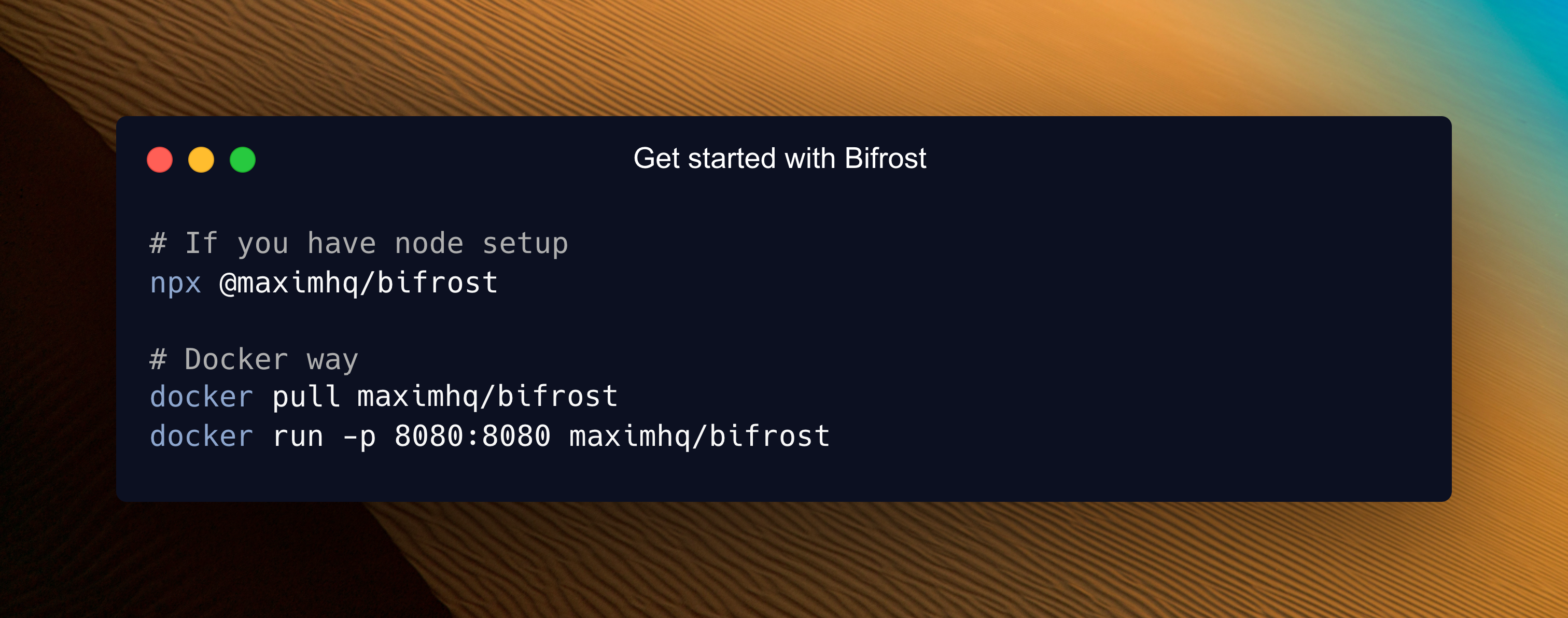
Standalone app: it's a separate service you deploy alongside your application, not a plugin or a skill. You configure it and point your clients at it.
Devil's advocate — is this just complexity?
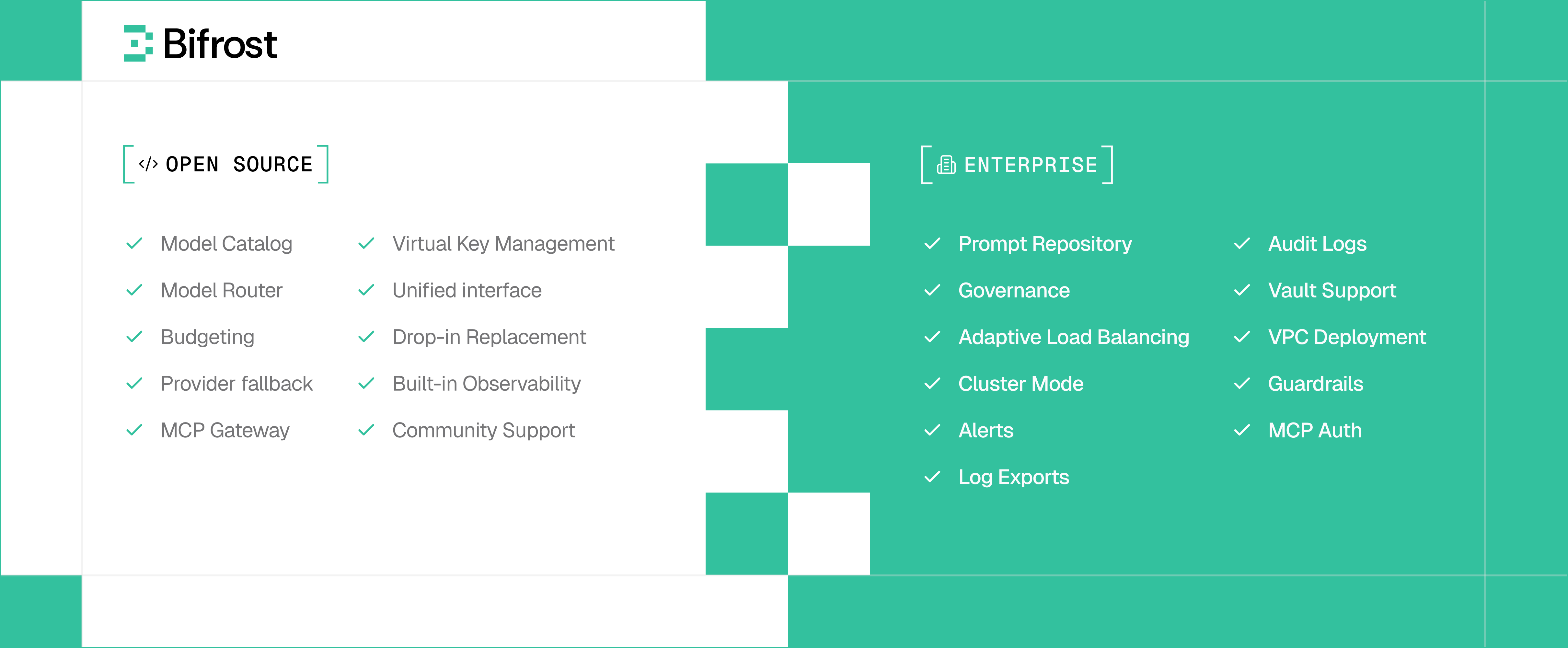
For many teams, a simple Python script with `requests` and a few if-else blocks can handle basic failover and routing without the operational overhead of a gateway. LiteLLM already does this adequately for moderate traffic. Bifrost's 50x speed claim only matters at 5k+ RPS—most applications never hit that. The most valuable features (clustering, guardrails, custom plugins) are gated behind a paid enterprise plan, so the open-source version is effectively a fast proxy with caching. If you're not bottlenecked on latency or need enterprise governance, you're adding complexity for little gain.
What would make it better
Make all enterprise features (clustering, guardrails, advanced plugins) available in the open-source version, or at least provide a clear upgrade path that doesn't require a demo call. Add a built-in simple rate limiter that doesn't require external storage. Improve documentation for edge cases like streaming fallback behavior.
The honest case for it
If you run multiple LLM providers at scale, the performance gains are real—11µs overhead at 5k RPS means you can saturate your network without proxy bottlenecks. The unified API eliminates vendor lock-in; the semantic cache can cut costs 30-40% on repeated queries. For a team that values reliability (automatic failover across providers) and observability (Prometheus metrics, tracing), Bifrost is a one-stop solution that saves weeks of engineering effort.
Who it's for
Audience fit
Depth and leverage for a technical engineer who wants to understand it and level up their workflow — not just offload work.
Value for someone who wants a more capable tool without the technical depth — accessible, does-it-for-you.
Engineers building production-grade AI services need robust routing, failover, and caching; vibe coders will find the setup simple but the operational depth is aimed at teams.