
n8n
worthwhileVisual workflow automation for AI agents and integrations — saves time for non-engineers, but engineers can code it themselves.
What it is
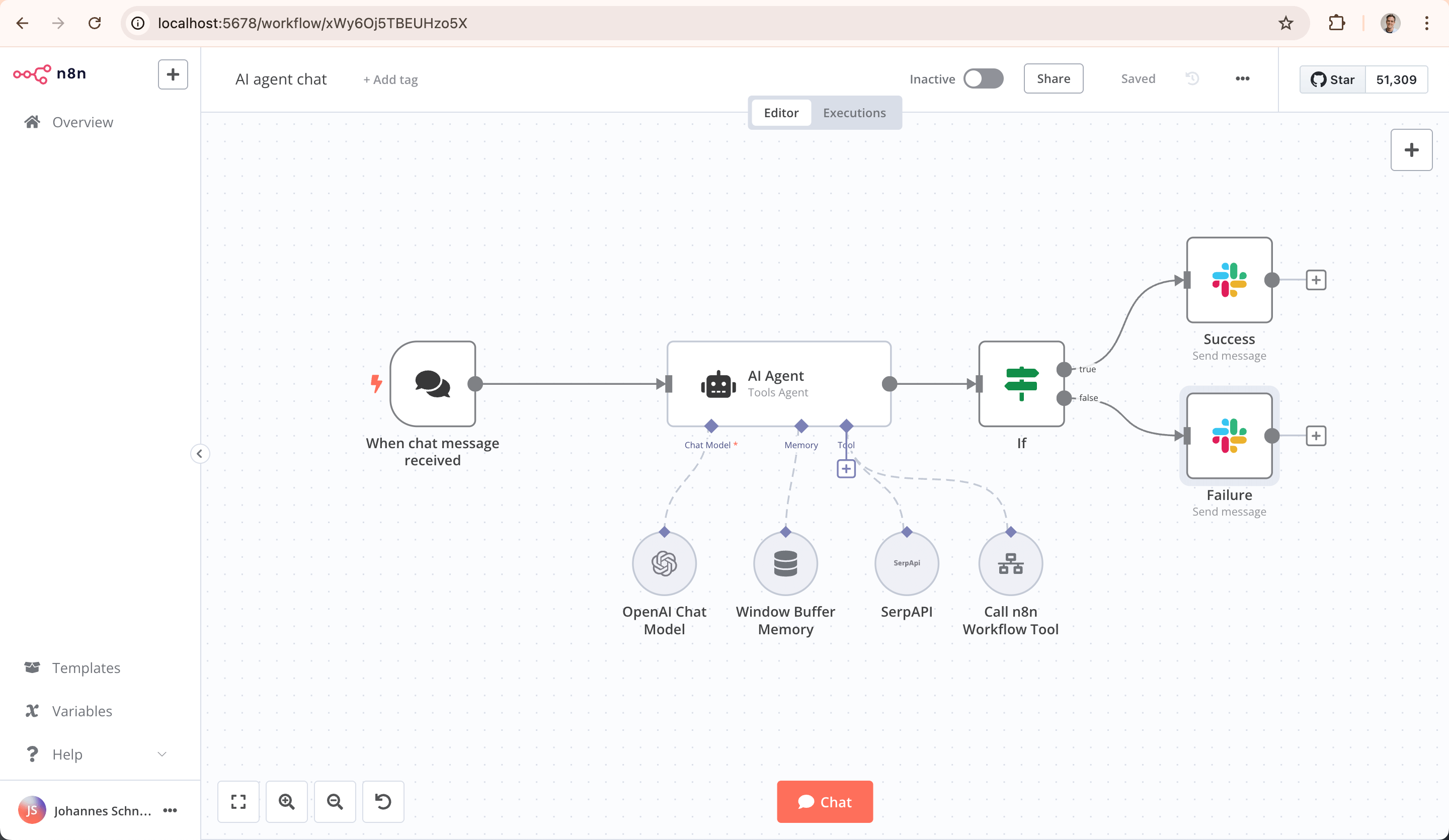
A visual workflow automation platform that lets you build and run multi-step AI agents and integrations using a node-based canvas, with support for 400+ services and custom code.
How it differs from vanilla Claude
Claude can generate code to automate tasks, but n8n provides a persistent, visual, self-hosted runtime with pre-built integrations, scheduling, and state management that Claude alone cannot replicate.
Skill, plugin, or workflow shift?
standalone-app - It's a self-contained application you install and run, not a plugin or library.
Devil's advocate — is this just complexity?
A vanilla base agent (Claude) can write scripts to perform any integration n8n offers, often with more flexibility and less overhead. n8n adds a visual abstraction layer that can become a bottleneck for complex logic, and its fair-code license may restrict commercial use. For an engineer who can code, n8n is often unnecessary complexity. The hidden complexity of debugging visual workflows can outweigh the upfront ease.
What would make it better
Native support for MCP servers to extend capabilities without custom nodes, better version control for workflows (git-friendly), and a lighter-weight runtime that doesn't require full Node.js stack.
The honest case for it
n8n shines when you need to quickly wire together AI calls with APIs, databases, and human approval steps without writing boilerplate. Its visual canvas makes it easy to share and modify workflows with non-technical stakeholders. The self-hosted option gives full data control, and the community templates accelerate common patterns.
Who it's for
Audience fit
Depth and leverage for a technical engineer who wants to understand it and level up their workflow — not just offload work.
Value for someone who wants a more capable tool without the technical depth — accessible, does-it-for-you.
Vibe coders benefit from the visual builder and pre-built integrations; AI engineers may find it useful for rapid prototyping but limited for complex, custom logic.