
TrendRadar
nicheA ready-to-deploy trend monitor with multi-platform push; useful for Chinese-market info consumers but thin on unique AI capability.
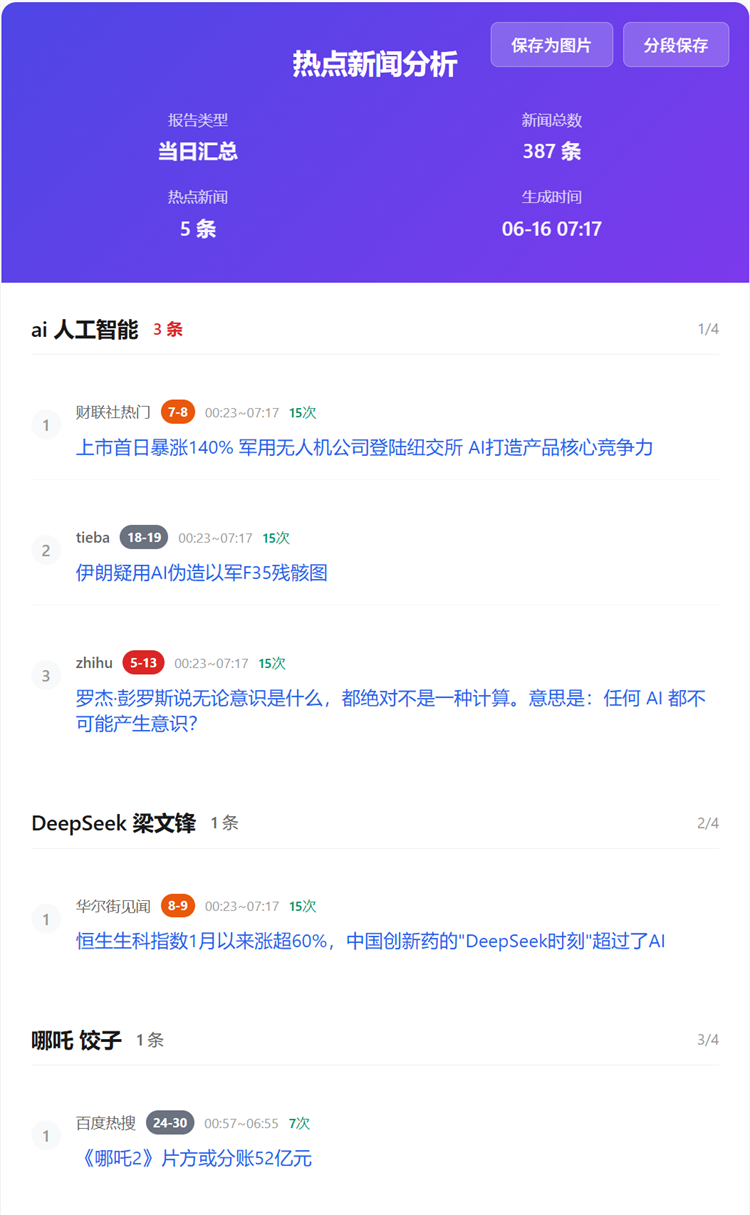
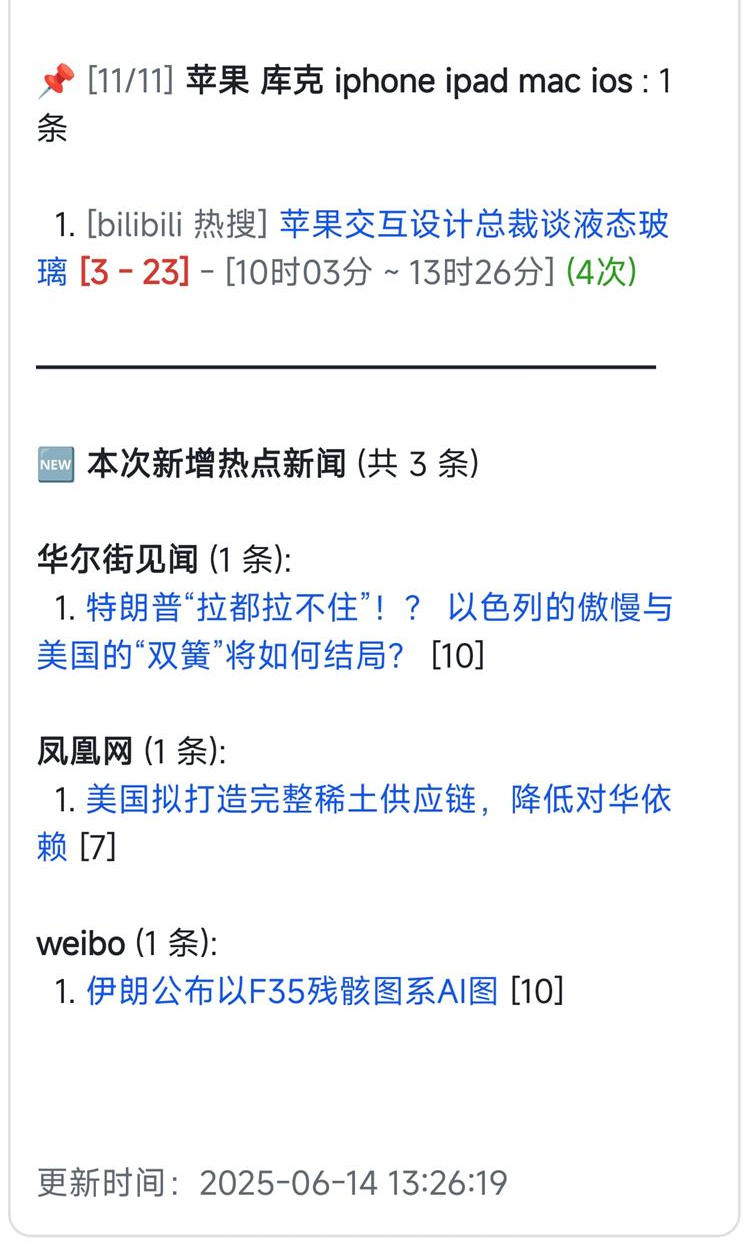
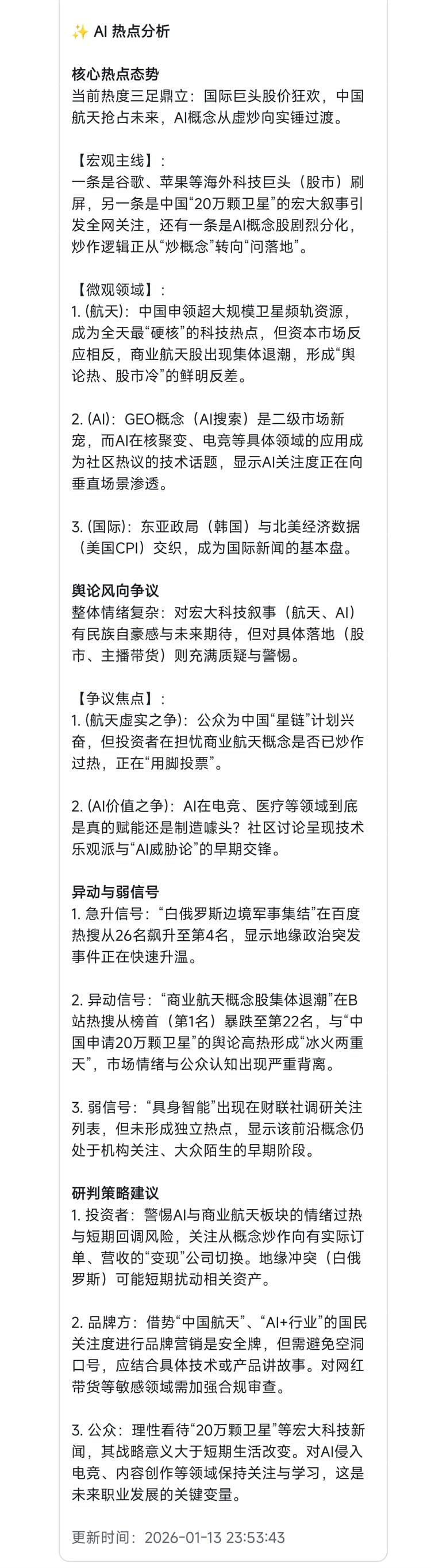
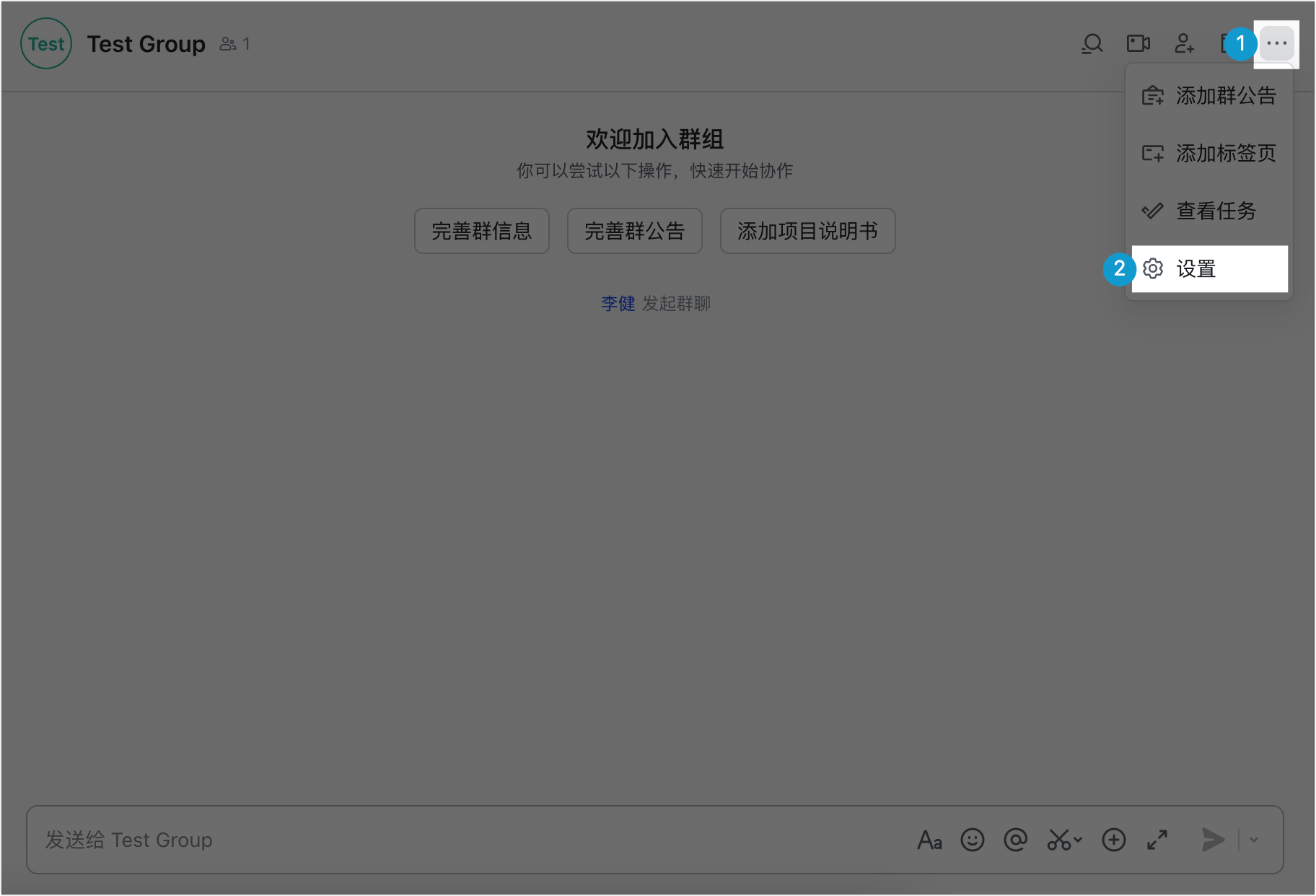
What it is
A self-hosted Python app that aggregates trending topics from Chinese platforms (Weibo, Zhihu, Baidu, etc.) and RSS feeds, lets you filter by keywords, uses an AI backend (OpenAI-compatible) to summarize and translate content, then pushes the results to WeChat, DingTalk, Telegram, email, and other messengers. Optionally exposes an MCP server for AI agents.
How it differs from vanilla Claude
A vanilla Claude can: write a Python scraper for RSS feeds, use its own API to summarize articles, and send results via webhooks. It can do the core intelligence better (no extra API cost, deeper reasoning). What Claude cannot natively do: push to WeChat/DingTalk/Feishu without manual integration, bundle Chinese platform scrapers, or provide a turnkey Docker install with 20 notification channels pre-configured. The value is the push infrastructure and Chinese ecosystem package, not the AI.
Skill, plugin, or workflow shift?
Standalone-app integration: you deploy the Docker container, configure a YAML file, and it runs forever independently. You don't call it from your workflow; it pushes to you. The MCP server adds a composability layer for AI agents but is secondary.
Devil's advocate — is this just complexity?
This is a thin wrapper around: (a) scraping public Chinese API/data (newsnow), (b) calling an AI API to summarize, (c) hitting webhook endpoints. A vanilla Claude agent with access to a simple Python runtime can replicate the entire pipeline in <200 lines of code: `requests` for RSS/web, `anthropic` SDK for summarization, `requests` for push. The `AI insights` feature is just Claude summarizing the same content it already analyzed. The `AI translation` is a call to a translation API—Claude already does multilingual natively. The multi-platform push is a dictionary of webhook URLs. Unless you specifically need push to WeChat (which requires Chinese business account tokens—a legit pain point), TrendRadar adds zero AI value over a Claude with a Python plugin. It is complexity for convenience, not capability. For technical users, it's faster to write the script than learn this tool's configuration.
What would make it better
1) Provide a truly unique AI capability this ecosystem does better than a generic LLM: e.g., local sentiment models fine-tuned on Chinese social media rage/trend patterns with no API call required. 2) Expose a clean CLI/Library mode so engineers can pipe its output to their own workflows, not just push notifications. 3) Make the MCP server the primary interface—allow an AI agent to dynamically query 'what's trending about X' and get structured data back, not just a push blast. 4) Remove the AI API dependency for basic summarization by bundling a small on-device model (Phi-3, Gemma).
The honest case for it
If you live on WeChat/Feishu/DingTalk and want zero-brainer trend monitoring without touching Python, TrendRadar works out of the box. The 60k stars reflect real demand for a China-first alternative to Feedly/Inoreader that speaks the local notification ecosystem. For its target user (Chinese knowledge worker who does not code), it is genuinely useful. The MCP server also lets an AI agent (like Claude Desktop) ask 'what's hot on Zhihu about LLMs' and get live, structured trend data—a legitimate agent augmentation.
Who it's for
Audience fit
Depth and leverage for a technical engineer who wants to understand it and level up their workflow — not just offload work.
Value for someone who wants a more capable tool without the technical depth — accessible, does-it-for-you.
TrendRadar is a plug-and-play, opinionated trend monitor that does everything for the user (aggregation, AI analysis, translation, push). Engineers can tinker via config and MCP, but the core appeal is convenience for non-coders who want hot topics pushed to WeChat.