LuxyAI
worthwhileA full K8s SRE control plane with auditable AI-driven remediation loops, not a prompt-in-a-trench-coat.

What it is
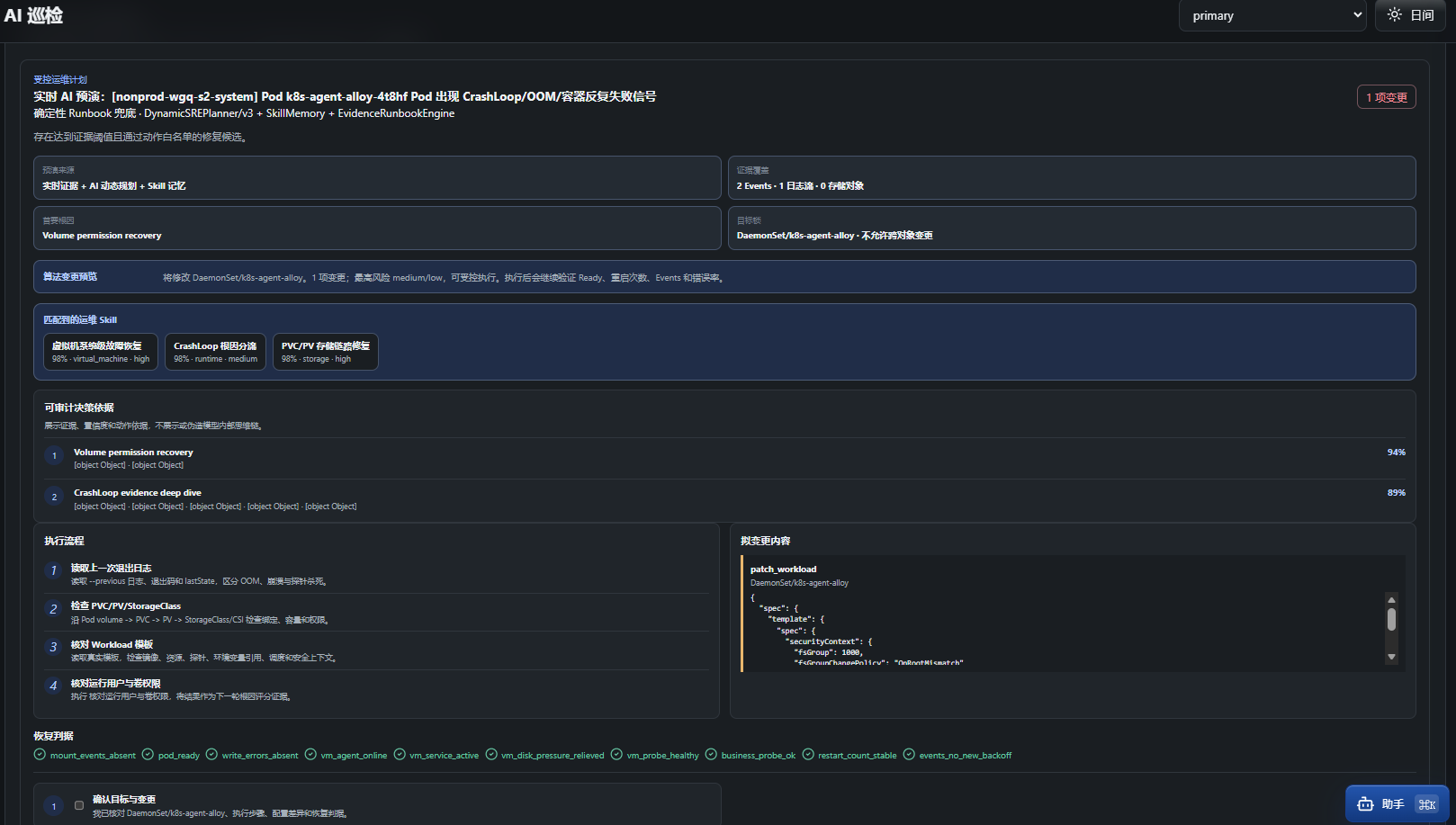
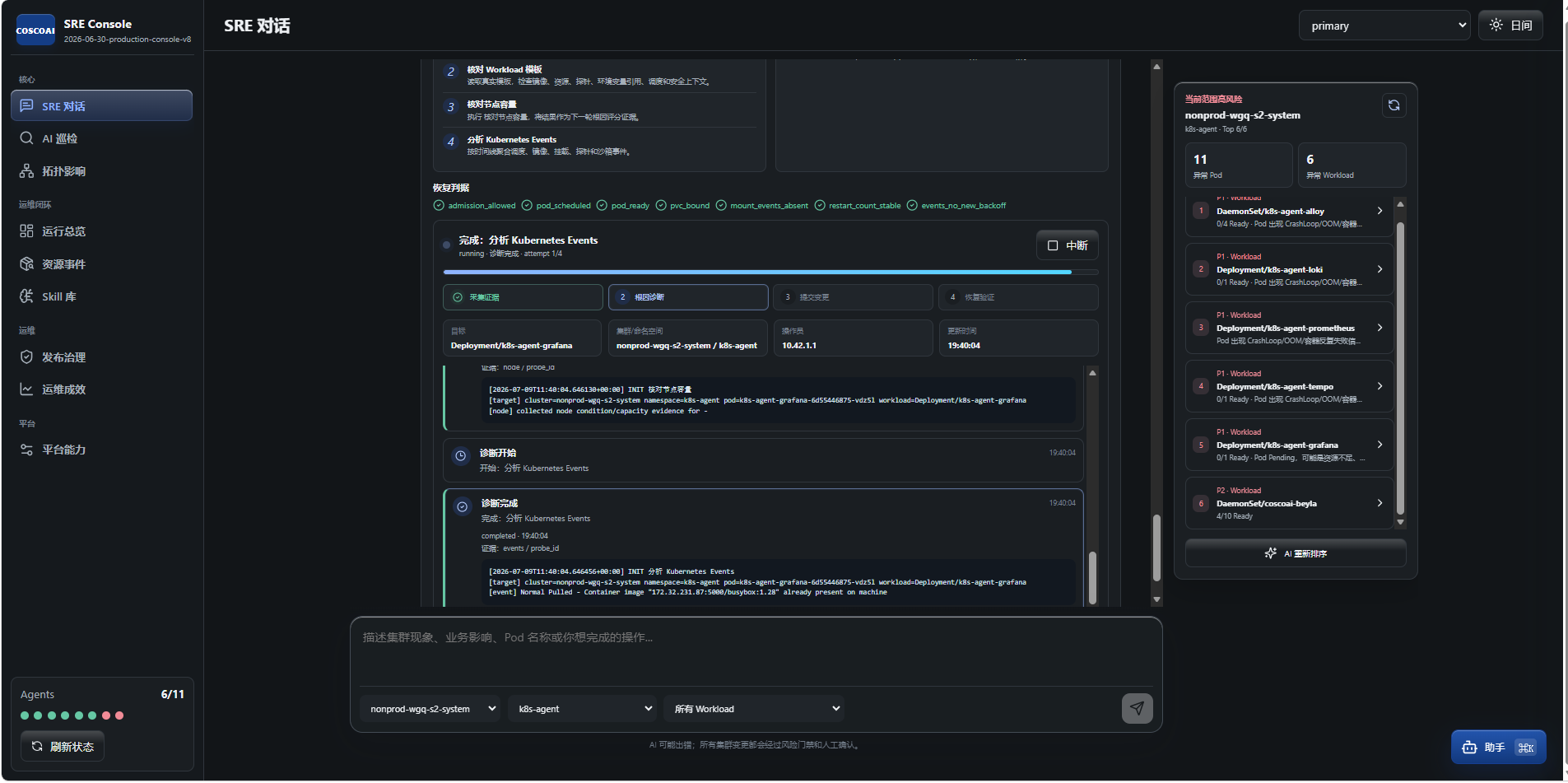
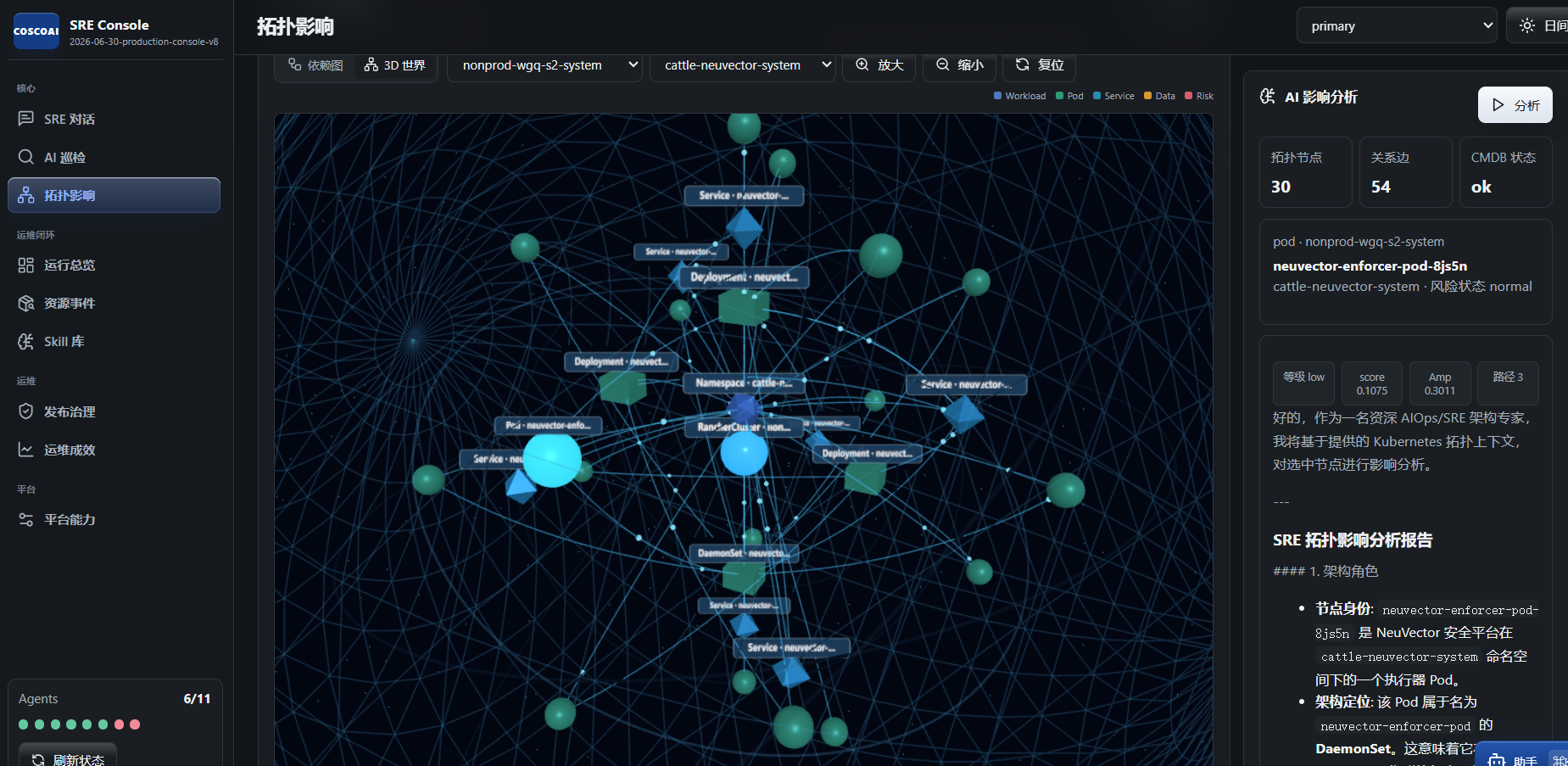
An open-source AI-native SRE control plane for Kubernetes that orchestrates alert triage, evidence gathering, human approval, remediation execution, and recovery verification in one auditable loop. Includes a chat console, topology impact analysis, and model lab.
How it differs from vanilla Claude
A vanilla Claude can suggest `kubectl` commands and diagnose logs, but it cannot: (1) execute a remediation with RBAC-bound approval gates, (2) verify recovery by re-checking the original symptom post-change, (3) persist remediation lineage across follow-up jobs, or (4) integrate with Rancher, Prometheus, Loki, and eBPF for live evidence. Flawless provides the state machine and guardrails that Claude lacks.
Skill, plugin, or workflow shift?
Standalone-app: it is a full deployable system with frontend, backend, agent services, Helm chart, and external integrations. It replaces multiple manual workflows with a single platform.
Devil's advocate — is this just complexity?
Claude with `kubectl` and a custom tool-calling loop can already suggest and even execute basic remediation. Flawless adds complexity—a state machine, approval workflows, persistent lineage—that only matters if you have multiple engineers, compliance requirements, and a need for audit trails. For a solo dev or small team, this is overkill: a simple script around Claude + `kubectl` covers 80% of incidents. The true delta is the verification-after-remediation step and the persistent ledger, which are valuable for regulated environments but niche for most.
What would make it better
1) A lighter deployment option (single binary, no Helm) for smaller clusters. 2) Native support for other LLMs beyond OpenAI-compatible, especially cheaper models for common triage. 3) Standardized incident playbook templates to bootstrap the skills library. 4) A managed cloud version to avoid self-hosting complexity.
The honest case for it
If your team manages multiple K8s clusters with compliance requirements, the verified-remediation loop and persistent lineage save hours of post-incident reconstruction. It turns firefighting into an auditable, repeatable process that survives pod restarts and engineer turnover.
Who it's for
Audience fit
Depth and leverage for a technical engineer who wants to understand it and level up their workflow — not just offload work.
Value for someone who wants a more capable tool without the technical depth — accessible, does-it-for-you.
Deep integration for SRE engineers managing K8s at scale, with controlled remediation loops. Vibe coders without K8s experience gain little.