
claude-context
worthwhileSemantic code search as an MCP tool — a genuine improvement over grep for large codebases, but adds external dependencies and setup complexity.
What it is
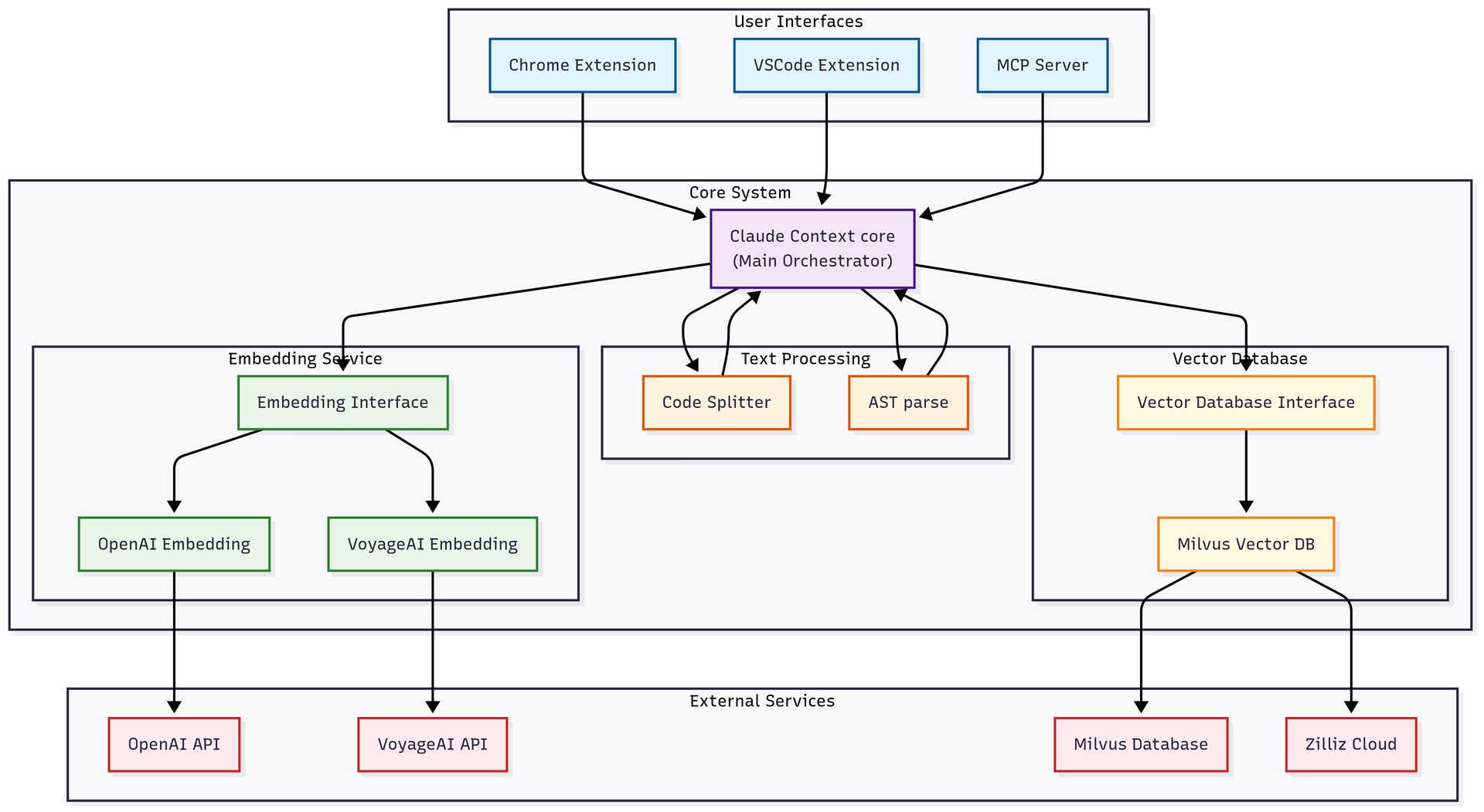
An MCP server that indexes your codebase into a vector database (Zilliz Cloud) and exposes a `search_code` tool for semantic code retrieval. When Claude Code needs context, it calls this tool to get relevant code snippets based on natural language queries.
How it differs from vanilla Claude
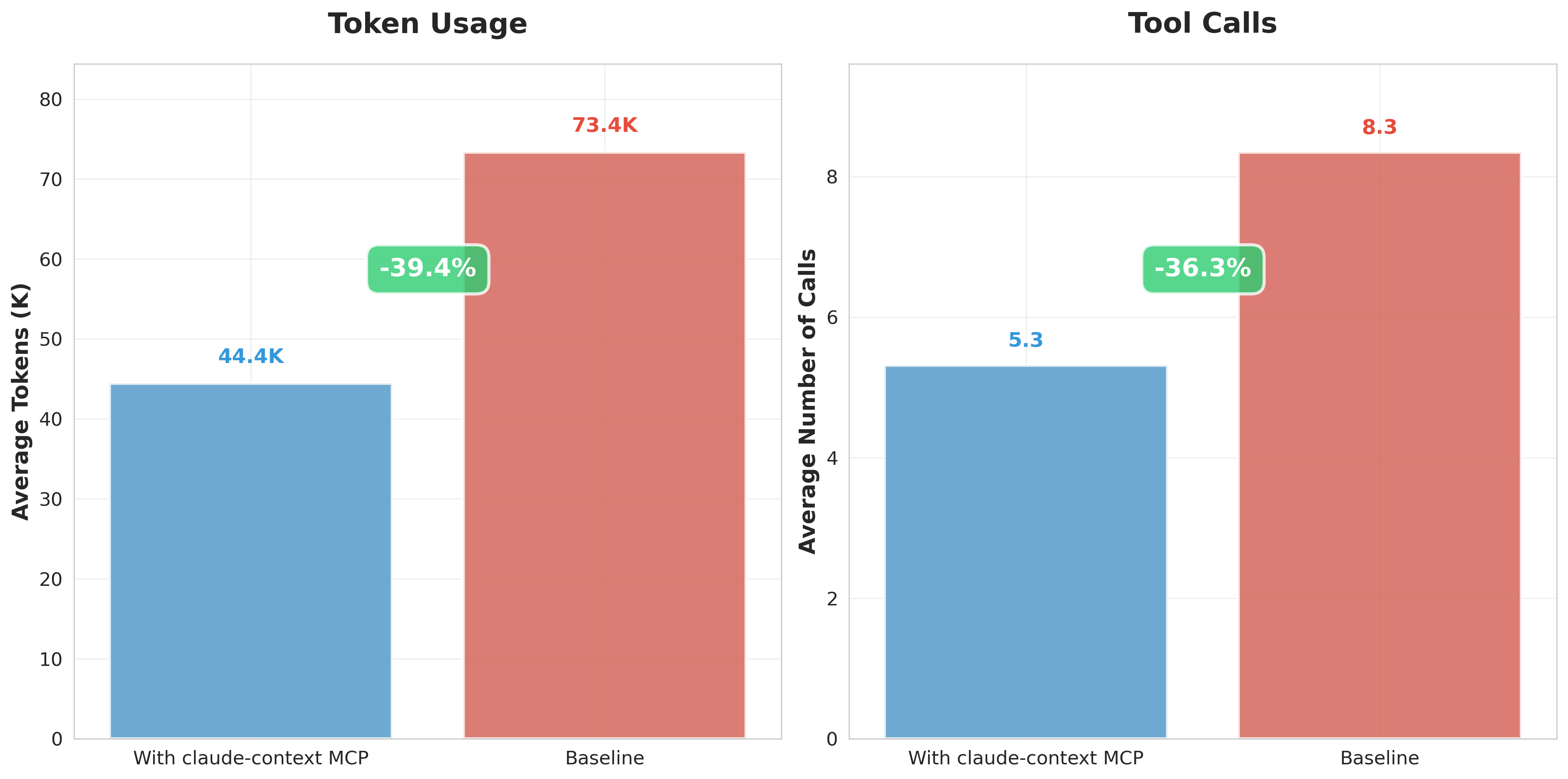
Vanilla Claude Code can only use grep, file reading, or manual file selection. This tool lets it search the entire codebase semantically (e.g., 'function that handles payment retries') without needing to know exact filenames or keywords, reducing both latency and token cost.
Skill, plugin, or workflow shift?
MCP integration: it adds a tool that Claude can call, but does not change the fundamental workflow. The agent remains in control; the search is just a more efficient way to gather context.
Devil's advocate — is this just complexity?
For many codebases, Claude Code's built-in grep combined with its understanding of code structure is sufficient. You pay for a vector DB and embeddings, which add latency and cost. A simple shell tool that indexes and searches via ripgrep + TF-IDF would achieve similar results without external services. Additionally, Claude can already read multiple files if given the right instructions; the real bottleneck is context window, not search precision. The tool is a prompt in a trench coat — it offloads search but doesn't improve the agent's reasoning.
What would make it better
Make the vector database optional (e.g., local SQLite with FTS5) to remove external dependency. Provide a fallback to keyword search when embeddings are unavailable. Add an option to cache or pre-index common queries. Expose a configuration to tune chunk size and relevance thresholds.
The honest case for it
If you work on a large monorepo (100k+ files) and need to find subtle code references that grep misses (e.g., callbacks, dynamically generated names), this tool saves significant time and money. The setup is a one-time effort, and the semantic search genuinely reduces the number of files Claude needs to read, keeping costs low.
Who it's for
Audience fit
Depth and leverage for a technical engineer who wants to understand it and level up their workflow — not just offload work.
Value for someone who wants a more capable tool without the technical depth — accessible, does-it-for-you.
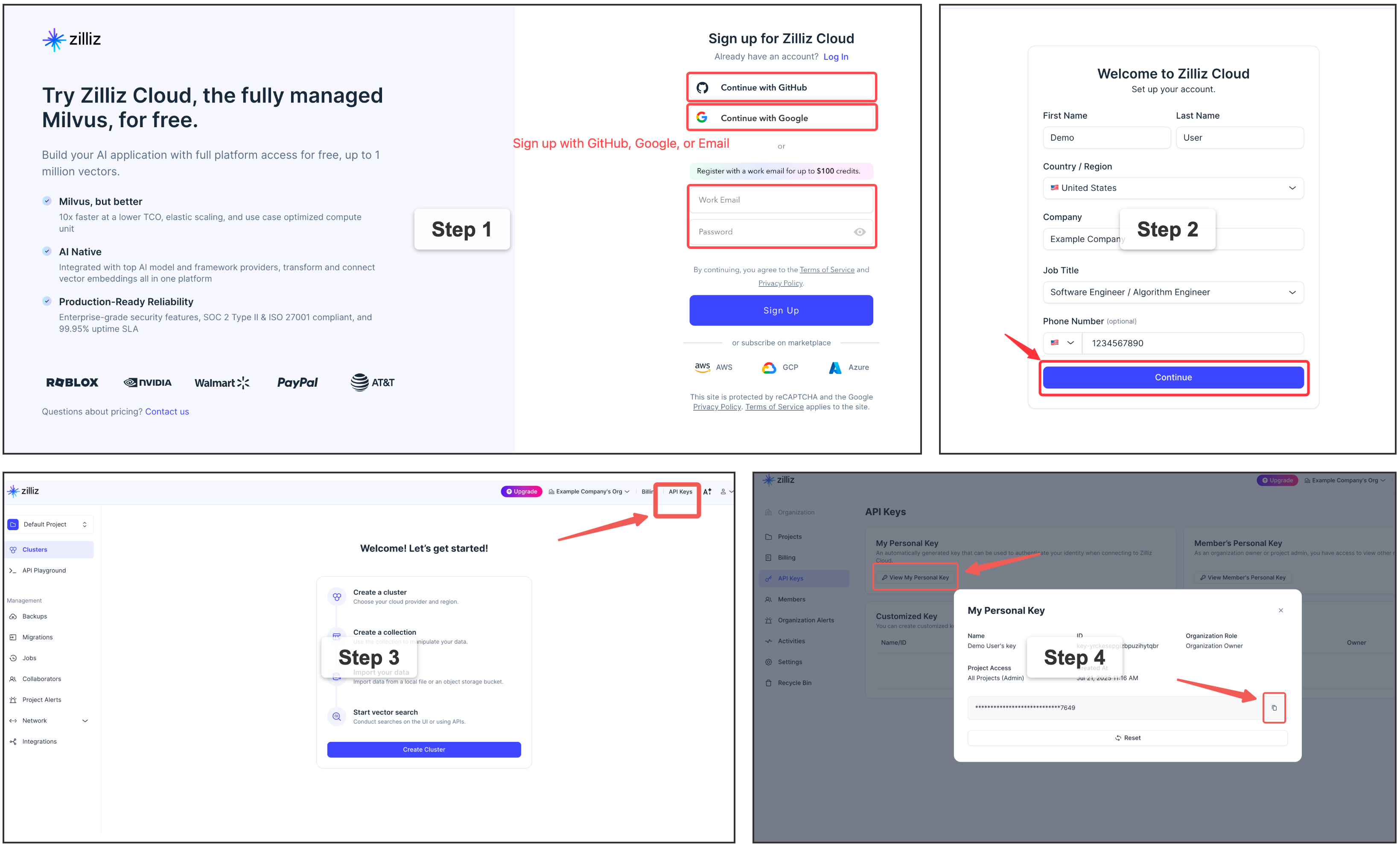
Engineers benefit from semantic code search over large monorepos; vibe coders may find the setup friction (API keys, vector DB) too high for occasional use.